Hibachi catering is a popular choice for people who want tasty Japanese-inspired meals and live cooking during a private gathering. In Miami, a lot of locals plan outdoor meetups, birthday parties, family events, company functions, and waterfront celebrations. A professional hibachi catering service can transform an ordinary gathering into a memorable dining experience. Food is cooked fresh on site, chefs work in front of the guests, and you avoid the hassle of going to a regular restaurant.
However, not every hibachi catering service provider provides the same level of food quality, professionalism, menu flexibility, or customer service. When choosing the right provider, you need to think about what your event requirements, budget, guest count, venue, and expectations. When you know these factors ahead of time, it is easier to choose a reliable hibachi catering service in Miami that handles an enjoyable hibachi experience from preparation to cleanup.

Understand Your Hibachi Catering Needs Before Choosing a Provider
Before you compare hibachi catering providers, decide what kind of night you want. Service style can vary a lot. Some events need more customization than others. Menu options can also change depending on the group.
For a small family meal, you might care most about taste and how personal the chef interaction feels. For a bigger birthday, you usually want someone who has managed larger crowds and can keep the energy up throughout the show.
Write down these basics before you call any providers:
- Number of guests
- Event location
- Indoor or outdoor setup
- Preferred menu options
- Budget range
- Event duration
- Dietary requirements
- Entertainment expectations
Once you have this info, it is easier to ask for the right quotes. It also helps you compare companies without missing key details.

Key Factors to Consider for Choosing the Right Hibachi Catering Service Provider in Miami
1. The Experience and Reputation of the Hibachi Catering Provider
Start by checking the provider’s experience and reputation in Miami. A team with solid past work is more likely to handle the real issues that come with private homes, outdoor locations, rented event halls, and office-style events.
Choose a company that has done many kinds of events. Examples include birthdays, anniversaries, graduation parties, family reunions, and business gatherings. You can learn a lot from customer reviews, client notes, event photos, and social media posts.
Try to look closely at patterns in feedback. Are they on time? Is the food fresh? Do the chefs act professional? Do they communicate clearly? Do guests seem satisfied? If reviews keep praising these points, that is a good sign. If you see repeated complaints about late arrivals, confusing charges, or mix-ups in planning, be careful.
It can also help to ask if the provider has run events like yours. A team that does small backyard hibachi dinners may staff differently and bring different gear than a company that handles big office events.

2. Check Menu Variety and Food Quality
Food quality matters a lot when choosing a hibachi catering service. Look for food that is made fresh, menus with a good balance, and enough choice for different tastes and diets.
Most hibachi menus include items like chicken, steak, shrimp, mixed vegetables, fried rice, noodles, and several sauce options. Some providers also add higher-end seafood, meal bundles, starters, and custom packages.
Before you book, ask about where the ingredients come from, how the food is prepared, typical portion sizes, and how much the menu can be changed. Confirm they can serve vegetarian guests, handle seafood allergy needs, meet gluten-related limits, or manage other restrictions. If you have a serious allergy, tell them in plain terms and ask what they do to lower the risk of mix-ups.
For Miami events, being able to adjust the menu can help when guests have very different food preferences. If the provider lets you mix proteins, choose sides, and set up how the food is served, the meal can fit your group better.
Key Food Quality Factors to Consider
| Factor | What to Check | Why It Matters |
| Ingredient freshness | Ask how ingredients are stored and transported. | Helps maintain food quality and safety. |
| Menu variety | Review proteins, vegetables, rice, noodles, and sauces. | Provides choices for different guest preferences. |
| Dietary accommodations | Discuss vegetarian meals, allergies, and dietary restrictions. | Helps ensure guests can dine comfortably. |
| Portion sizes | Confirm serving quantities per guest. | Helps prevent food shortages or unnecessary spending. |
| Cooking methods | Ask whether meals are cooked fresh at the event. | Supports the interactive hibachi experience. |
| Food safety | Confirm proper food handling and temperature control. | Reduces food safety risks during on-site preparation. |

3. Understand the Pricing Structure and Total Catering Cost
Cost of a hibachi catering experience is another key consideration. Some companies show a low per-person price, but the final total can change based on minimum headcount, travel time, menu choices, how long the event runs, and any extra add-ons.
Ask for a clear written quote before you decide. Make sure the quote states what is included and whether any extra fees could apply.
Some quotes may split out travel costs, premium ingredient costs, longer service time, tips, or special equipment needs. Other providers may bundle chef service, cooking tools, food, and basic cleanup into one set price.
When comparing quotes, avoid focusing exclusively on the lowest advertised rate. A cheaper package may include fewer menu options, smaller portions, or additional fees that increase the final cost. Instead, compare the total estimated expense and the value of the services provided.
Common Factors Affecting Hibachi Catering Prices in Miami
| Pricing Factor | Potential Impact on Cost | Questions to Ask |
| Number of guests | Larger groups may increase food and staffing requirements. | Is there a minimum or maximum guest count? |
| Menu selection | Premium seafood and upgraded ingredients may cost more. | Which proteins and combinations are included? |
| Travel distance | Some locations may involve additional transportation fees. | Is travel to my Miami-area venue included? |
| Service duration | Longer events may require additional service charges. | How many hours are included? |
| Equipment requirements | Special setups may require additional arrangements. | What cooking equipment and utilities must I provide? |
| Additional services | Extra staff or customized arrangements may increase the price. | Are setup, serving, and cleanup included? |

4. Confirm the Chef’s Professionalism and Entertainment Skills
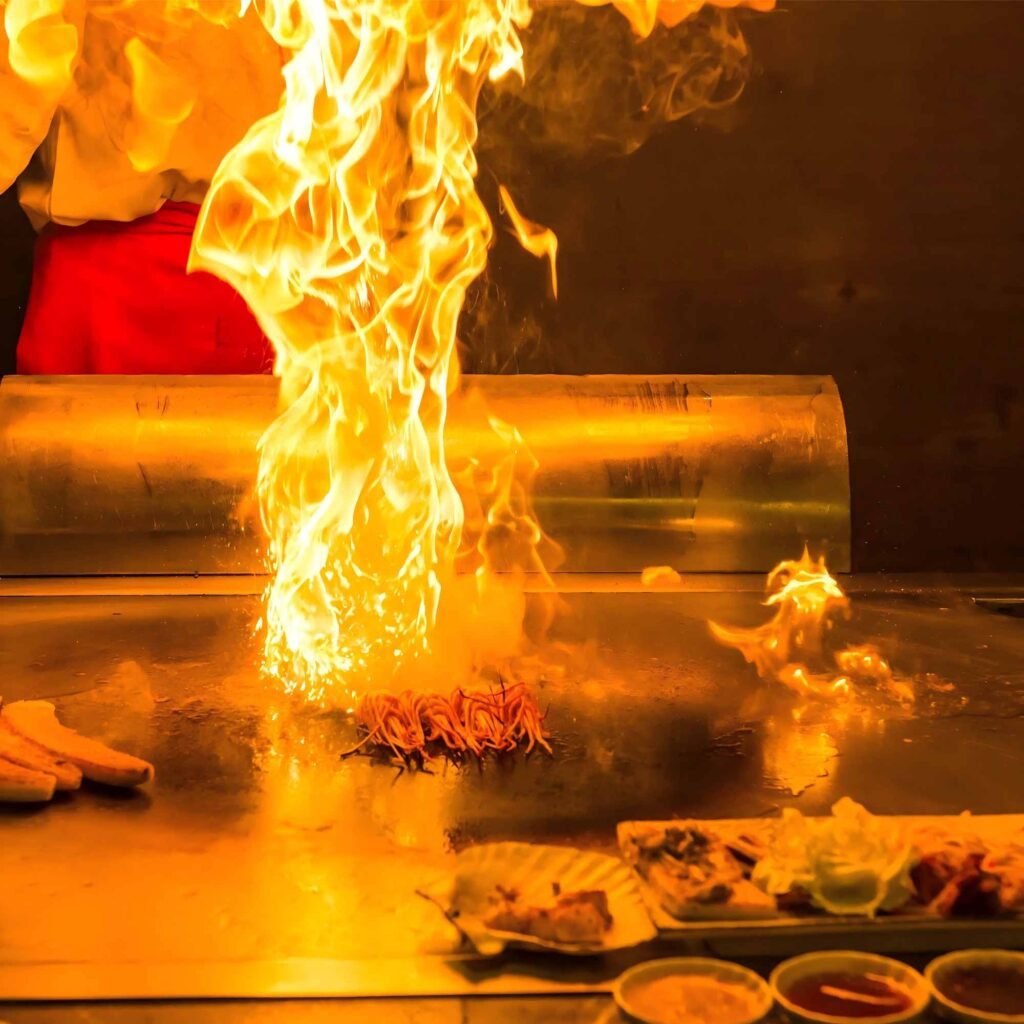
A main benefit of hibachi catering is the mix of hot food made right there and a live show. With this kind of catering, guests often watch the chef cook in front of them, not just receive prepared plates.
So, focus on the chef’s skill and how well they work with the crowd.
A hibachi chef who is truly skilled should show calm control while cooking. They also need solid hygiene habits. Equipment must be handled with care. The chef should speak with guests in a friendly way and keep things smooth during the show. When it fits the moment, small entertaining bits like light cooking demos and back-and-forth talk can add fun.
Still, do not let entertainment push past safety or guest comfort. If you are planning a family get-together with kids, ask what safety steps are in place near hot cooking areas. Also ask if the chef can tone down the show for younger children.
For company events or more formal nights, you might want a chef who entertains in a quieter style. Share your expectations early so the service fits the mood you planned.

5. Make Sure the Provider Can Accommodate Your Venue
In Miami, hibachi catering can happen in many spots. People choose private backyards, patios, vacation rentals, poolside areas, and event halls. Every place can bring its own rules about gear size, airflow, entry paths, and how cooking must be set up.
Before you pay, confirm the provider can cook in that specific location. Make sure they can do it safely and in a way that matches the venue rules.
If it is outdoors, look closely at the cooking space. Check the weather too. Think about firm ground, shade options, lighting, and how electricity or other needed utilities will be provided. Miami weather can shift fast. Heat and humidity can wear people down, and rain can pop up without much warning. Plan for a backup plan in case the weather turns.
For indoor hibachi catering, you must focus more on ventilation and fire safety. You also need to follow the site rules. Many indoor areas are not set up for live cooking. Some rental homes may not allow open flame or any commercial-style food cooking. Do not assume indoor cooking is fine. Ask first about the equipment setup and whether the venue will allow it.
Ask about the equipment size. Also ask how long setup takes. Clarify power or fuel needs. If your venue has balconies, covered patios, or enclosed spaces, ask what limits apply.
A good provider will spell out these needs in advance. They should not expect you to figure it out at the last minute.

6. Review Service Packages and Event Flexibility
Not every event works with the same plan. A birthday party often fits a high-energy chef show. A family meal may work better with a more easygoing service flow and mix-and-match options.
Before you pick a company, check if their hibachi catering packages can match your guest count, your timing, and the feel you want.
Some firms list set packages and fixed menus. Others can tailor the menu, offer upgrade options, or change the service format. Ask if you can choose how many proteins each guest gets. You can also ask to move the timing if needed. If some guests arrive at different times, ask how they will be handled. Also ask about serving setup options if you have a specific layout in mind.
You should also spell out what the catering company does versus what the host must handle. Some caterers do cooking and do simple cleanup. Still, they may expect you to bring the basics, like tables, chairs, plates, and other supplies you need for the space.
When expectations are clear, it is easier to plan the rest of the day. It also cuts down on mix-ups.
Choosing Hibachi Catering Services for Different Miami Events
| Event Type | Recommended Service Features | Important Considerations |
| Birthday parties | Interactive chefs, customizable menus, entertaining presentations | Guest age range, timing, and available space |
| Backyard gatherings | Flexible setup, on-site cooking, convenient cleanup | Weather backup, surface stability, and access |
| Corporate events | Professional chefs, organized scheduling, scalable service | Guest count, event agenda, and presentation style |
| Family reunions | Varied menus, flexible portions, dietary accommodations | Different age groups and food preferences |
| Graduation parties | Group-friendly packages and lively entertainment | Guest turnover, serving capacity, and budget |
| Anniversaries | Personalized menus and a more intimate atmosphere | Privacy, timing, and special requests |

7. Check Availability, Booking Policies, and Customer Support
Even a strong hibachi catering provider might not fit if they cannot work your date or your event timing. Many weekends, holidays, and peak celebration weeks get booked fast.
Reach out early. Share the key details right away. That means your event date, where it will be held, how many guests you expect, and what service time you want. This helps the company see if they can take the job and if the venue will work.
Before you pay any deposit, read the agreement all the way through. Look closely at the rules for canceling. Check what happens if you need to reschedule. Confirm deposit amounts, any overtime fees, and the plan for changes due to weather.
You should also notice how fast the company replies and how clear their answers are. If they communicate well during booking, they are more likely to support you with key details before the event.
Find out who your main contact is. Ask when the final guest count is due. Also ask what they do if delays happen or if plans change at the last minute.
A written confirmation can help. Include the menu, total cost, arrival time, how long service will run, and what is actually included. This keeps both sides on the same page.
8. Verify Food Safety, Insurance, and Relevant Requirements
Professionalism means more than good cooking and nice presentation. A dependable hibachi catering company should treat food safety and equipment handling as a real priority.
Ask how they move ingredients from point to point. Ask how they keep food at safe temperatures. Inquire about steps to avoid cross-contamination. Also ask how they handle waste during prep. If you have dietary limits, bring them up before you finalize the menu.
Depending on the business setup and where the event is, permits or certifications for food service may be needed. Liability insurance may also be required. Venue approval rules can apply too. Ask the provider what they meet and whether they can show proof when needed. You can also confirm with your venue manager or local offices.
If the event is at a condo, hotel, rental home, or a commercial site, check the policy on outside catering. Also confirm that the cooking equipment follows the property rules.
These checks matter most for outdoor events. They also matter for events with kids, bigger groups, or cooking setups that are more specialized.
9. Compare Providers Before Making a Final Decision
Once you narrow down a few options, measure each company side by side using the same checklist. This gives you a fair view of what you will actually get, not just what ads promise or what the first quote says.
Pay attention to food taste, chef background, the type of show, how well the setup fits the venue, how many package choices they offer, and what past customers say. Also check how clearly the quote is written. If you can, watch photos or videos from earlier events so you can see how they set up the grill area and how they talk with guests.
| Comparison Factor | What to Consider |
| Service Type | Choose whether you need a backyard experience, private chef service, or larger event support |
| Experience & Reputation | Experienced providers are more likely to handle different event conditions smoothly |
| Chef Performance | A good hibachi chef should provide both quality food and an enjoyable experience |
| Food Quality | Confirm ingredient quality, portion sizes, and cooking methods |
| Menu Variety | Ensure the menu fits different guest preferences and restrictions |
| Pricing Structure | Compare total costs, not only advertised starting prices |
| Included Services | Confirm exactly what is included before signing an agreement |
| Event Size Flexibility | Select a provider that can handle your expected guest count |
| Venue Compatibility | Check space requirements, cooking area, and equipment needs |
| Customization Options | Flexible providers can better match unique event needs |
| Booking Process | Clear communication reduces last-minute issues |
| Customer Support | Reliable support improves the overall event experience |
The top choice is not always the one with the biggest stage tricks or the lowest rate. Often the better option is the one that keeps up with your real needs and still gives people a fun meal.

How to Plan Ahead for a Smooth Hibachi Catering Experience in Miami
Once you pick a provider, do some detailed event preparation work early. Share your final guest count. Lock in your menu selections. Tell them about food allergies. Include any notes on entry, parking, or rules at the site.
Next, get the cooking spot ready as they request. Leave enough room for the chef, your guests, the tools, and a clear path for safe movement near the grill. If the event is outdoors, talk through a backup plan for bad weather before the day arrives.
If it is at a home or a rental, mention site details that might slow transport. This can include stairs, gates, narrow paths, or restricted access areas. Let them know about these things so setup can go smoothly.
Create a simple plan for timing. Align when the chef arrives, how setup begins, when cooking starts, when serving happens, and when cleanup is done. Match this with other items on your schedule, like speeches, a birthday cake moment, or corporate remarks.
Doing this means fewer surprises on the day. The chef can focus on cooking and hosting instead of handling setup problems in the middle of the event.

Summary
Selecting a hibachi catering provider in Miami takes some work. You should look at experience, food quality, pricing, chef performance, venue compatibility, and customer support. A good hibachi team does more than cook. They keep guests engaged during the meal, turning an interactive dinner into a shared moment for everyone.
If you know your event needs, compare providers carefully, and confirm important service details in advance, you are more likely to get great hibachi food and fun live show moments. That helps make your Miami event go smoothly.