Planning a hibachi party at home in Miami is a good way to get that restaurant feel in your own backyard, patio, or rented private area. People often ask how many guests a hibachi catering service can accommodate, especially when planning a home event. The catering capacity depends on the grill setup, available space, menu, event format, and number of hibachi chefs.
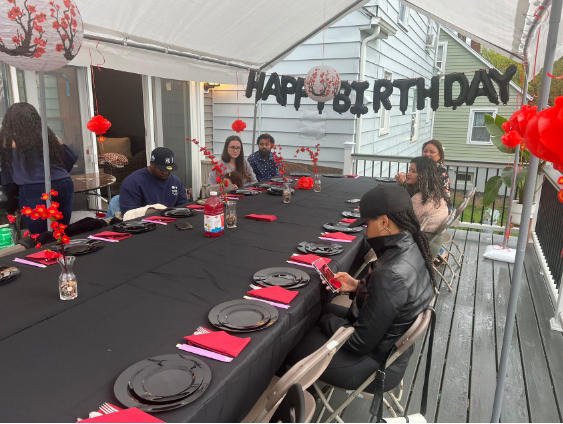
Typical Hibachi Catering Capacity at Home
Most home hibachi events can handle a smaller group, often about 10 to 20 guests. If you want a bigger crowd, you can usually go higher, like 30, 50, or more, but only if the team brings extra grills and adds more chefs.
For a common Miami at-home hibachi catering, one chef with one cooking station can fit a smaller group best. Once the guest count rises, the catering staff may bring more chefs, more tables, and more cooking stations. That helps keep food on time and keeps guests from waiting too long.
| Guest Count | Recommended Setup | Suitable Event |
| 10–15 guests | 1 hibachi chef and cooking station | Family dinner, birthday |
| 15–25 guests | 1–2 chefs depending on menu | Private party, celebration |
| 25–40 guests | Multiple cooking stations recommended | Large birthday or family event |
| 40–60 guests | Multiple chefs and stations | Corporate or private event |
| 60+ guests | Customized multi-station setup | Large backyard party or special event |

Key Factors Affecting the Hibachi Catering Capacity at Home in Miami
If you are planning a birthday, family meet up, or a corporate gathering in Miami, it helps to think through a few details first. That way the meal moves smoothly and the whole night feels more relaxed.
1. Number of Guests
The guest count is the main driver of hibachi catering capacity. A group of 10 to 15 often works with one chef and one cooking station. For bigger numbers, you usually need more than one chef and more than one station.
When the list gets longer, the team has to manage timing, seating, prep work, and guest flow. Without that, service can slow down.

2. Available Space at Home
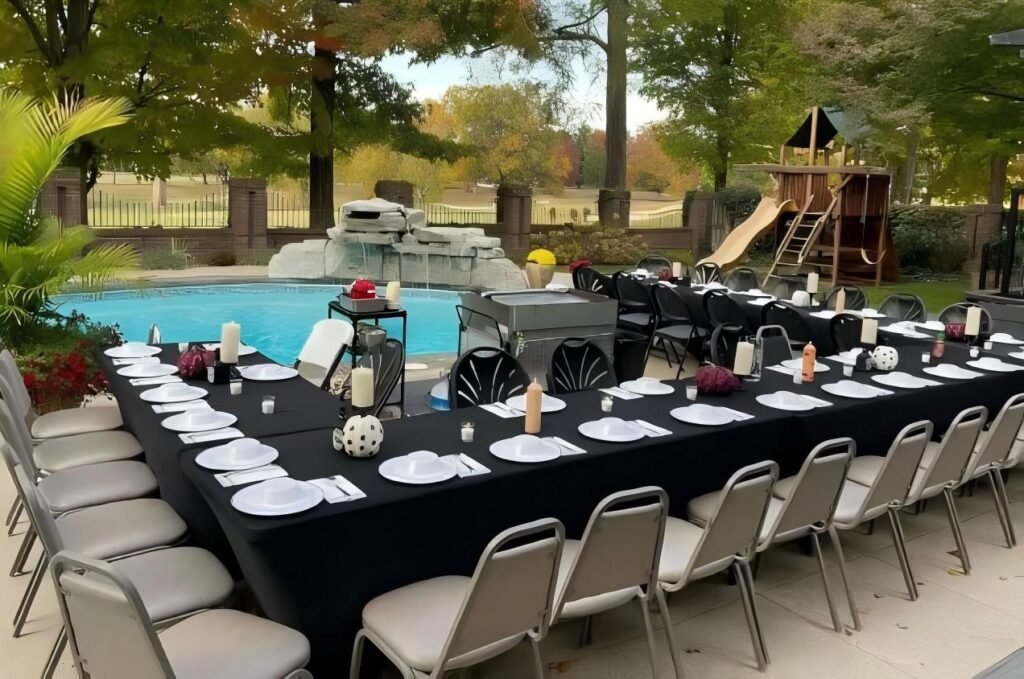
Space matters a lot for a home hibachi setup. Your backyard, patio, or outdoor area needs room for the cooking equipment, the chefs, food prep, tables, chairs, and places for guests to watch and move.
A high guest count does not automatically mean your home can handle a large hibachi layout. Sometimes a smaller, well planned space works better than a crowded one.

3. Number of Hibachi Chefs
Chefs affect how many guests can be served without long delays. One chef can usually manage one cooking station and one set of guests.
For larger Miami events, more hibachi chefs lets the team run multiple groups at once. That can cut down on wait times and keep the action going during the meal.

4. Number of Cooking Stations
Cooking stations also decide what the team can handle. One station may be enough for a small private dinner. For larger parties, two or more stations are often needed.
With more than one station, chefs can cook for different groups at the same time. It also helps spread guests around the event area instead of putting everyone close to a single grill.
5. Menu Selection
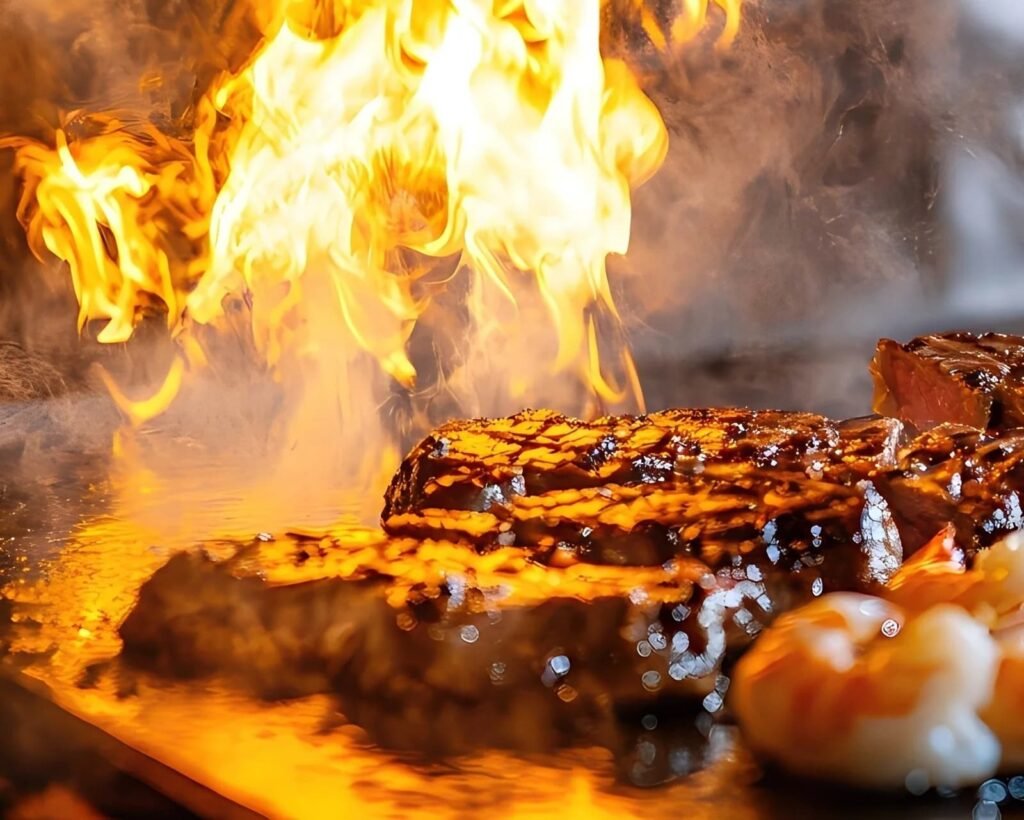
The hibachi menu matters for how fast a catering crew can plate food. If you keep it simple, like a basic hibachi set, prep is usually easier for big crowds. If you add more variety, such as several proteins, seafood, starters, and extra special items, then prep takes longer and the crew needs more time.
For a bigger event, hosts should talk over the menu with the caterer. This helps you figure out if extra cooking hands or added stations are needed.
6. Event Duration
How long the event runs also shapes staffing needs. If guests must get meals in a short window, then the team may need more chefs and more cooking stations.
If the schedule is longer, the flow is easier. The caterer can serve smaller groups at a time and still avoid big slowdowns.
7. Outdoor Layout
The yard or property setup can change how smoothly people move. Cooking stations need enough room so staff can work without squeeze. Tables and chairs should be set so guests can watch the cooking without blocking paths.
For large parties, it can help to split the space. A separate cooking zone and a separate dining zone can cut down on crowding and keep traffic moving.
8. Miami Weather Conditions
Outdoor mobile hibachi in Miami depends a lot on weather. Heat, intense sun, rain, and sudden storms can ruin timing or disrupt the event.
A covered patio, a tent, or another sheltered area can protect the setup. It also helps the plan stay on track. Weather plans matter even more for bigger groups since moving everyone indoors may not be realistic.
9. Guest Seating Arrangement
Seating changes both comfort and the hibachi feel. Guests should see the chef and the cooking show clearly. At the same time, walkways should stay open and the cooking area should not feel packed.
For big groups, placing a few tables around more than one cooking station can improve sight lines. It can also make the dining space feel more ordered.
10. Dietary Requirements
Allergies, vegetarian options, and other food needs can mean extra steps in prep. These needs can also slow down service. They may limit how many guests one chef can handle well.
Hosts should share dietary details with the caterer ahead of time. Then the right ingredients and cooking plans can be set up before the event.
11. Equipment and Property Access
Bringing hibachi gear to the backyard or patio can be a real factor. Tight gates, stairs, long walks, or limited parking can make hauling equipment harder.
Before you book, check how easy it is to move items from parking to the cooking area. This matters even more when there are multiple grills and several cooking stations to place.
12. Safety Requirements
Cooking tools should be used with care in a home setting. A hibachi station needs room around it. Keep it away from walls, chairs, plants, and anything else that could catch fire or block movement.
People also need space to walk by without squeezing near hot surfaces. When there are more guests or more hibachi tables, the spacing matters even more.

Hibachi Catering for Different Group Sizes
For most private events, 10 to 25 guests work well. This size keeps the mood friendly and still lets everyone watch the chef cook.
For 30 to 50 guests, plan for more than one hibachi station. Talk with the caterer about adding extra lines so people are not waiting too long. It also gives chefs a chance to handle separate groups as the night goes on.
For 50 guests and up, you should plan ahead in a serious way. Expect to use more chefs. You may also need more cooking spots, extra prep space, and clear ways for food to be served.

Useful Tips for Planning a Large Hibachi Party in Miami
If you are hosting a big group, start early. Busy weekends, holidays, birthdays, and company events often fill up fast. You may need to reserve sooner than you expect.
When you book, check the details first. Ask about the max guest capacity, how many chefs come with the service, what equipment is included, and what space is required. Also confirm menu options, how long the service runs, and whether you can add more stations.
Miami weather is another factor. If you plan to host outside, have a covered area, a tent, or an indoor backup. Rain or high heat can ruin the flow if you have no plan.

Final Thoughts
There is no one fixed guest limit for home hibachi catering in Miami. A smaller setup may fit 10 to 15 guests. Bigger parties can run at 30, 50, or more when the caterer adds chefs and cooking stations. The right number depends on guest count, available yard or indoor space, the menu, and desired dining experience.
To keep the night running smoothly, share your guest list and your home layout with the hibachi caterer ahead of time. Then the team can suggest the number of chefs and stations that fit your Miami party best.